Top 8 Ways to Disinfect your Home in 2024

In times of heightened awareness around hygiene and cleanliness, the demand for effective disinfection solutions has never been more critical. While traditional cleaning methods have served us well, the quest for more effective, efficient, and convenient solutions has led to the exploration of innovative disinfection technologies.
Collaborating with a team of laboratory researchers specializing in microbiology and public health, we've embarked on a detailed examination of the latest in disinfection methods.
This comprehensive comparison, informed by scientific research and expert analysis, explores the Top 8 Ways to Disinfect Your Home in 2024. Our collaboration with these experts allows us to assess each method's Effectiveness, Safety, Cost, Ease of Use, and Environmental Impact, providing a holistic view of their practicality and health implications.
From cutting-edge UV sanitizing devices to tried-and-true natural alternatives, our guide is tailored to navigate the myriad of options available, catering to diverse preferences and requirements.
With input from laboratory researchers, this article aims to equip you with the knowledge to choose the Premier Disinfection Solution, ensuring your living spaces remain clean and germ-free.
Join us as we unveil the findings of our rigorous analysis to identify the Best Disinfection Solution tailored to your needs.
#1 Lumivyx HaloClean UV
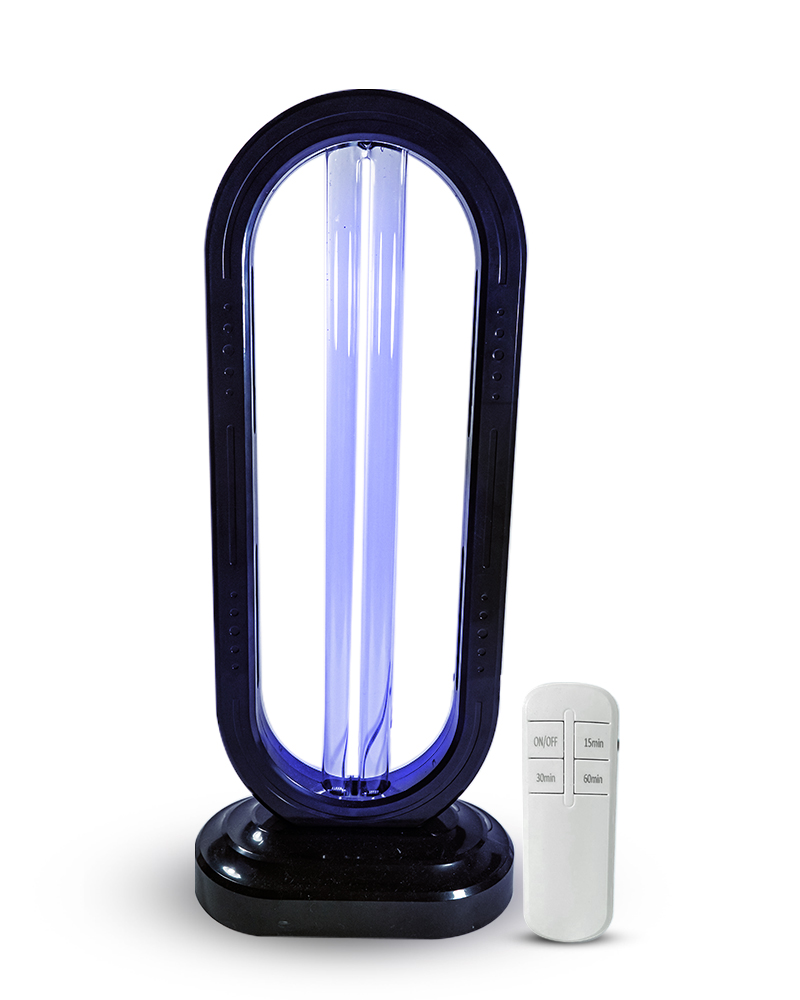
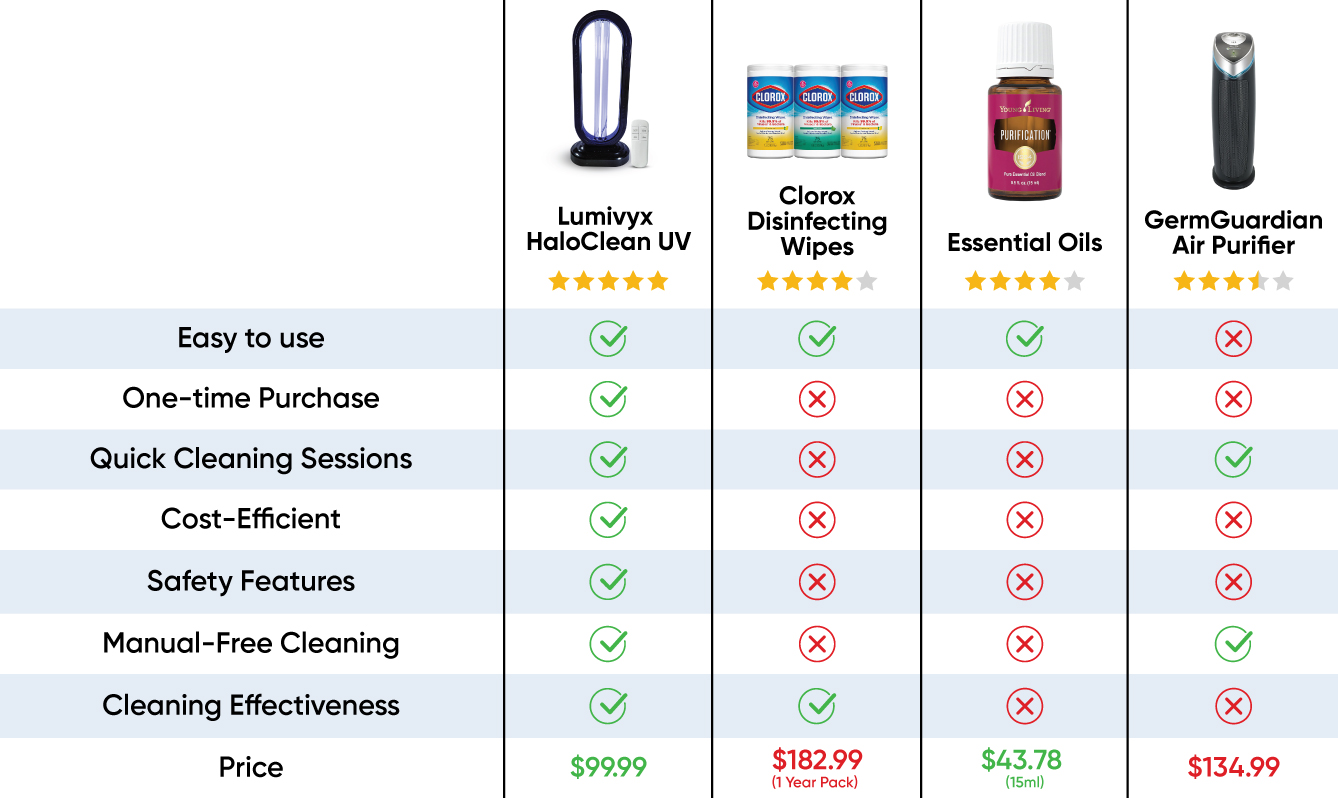
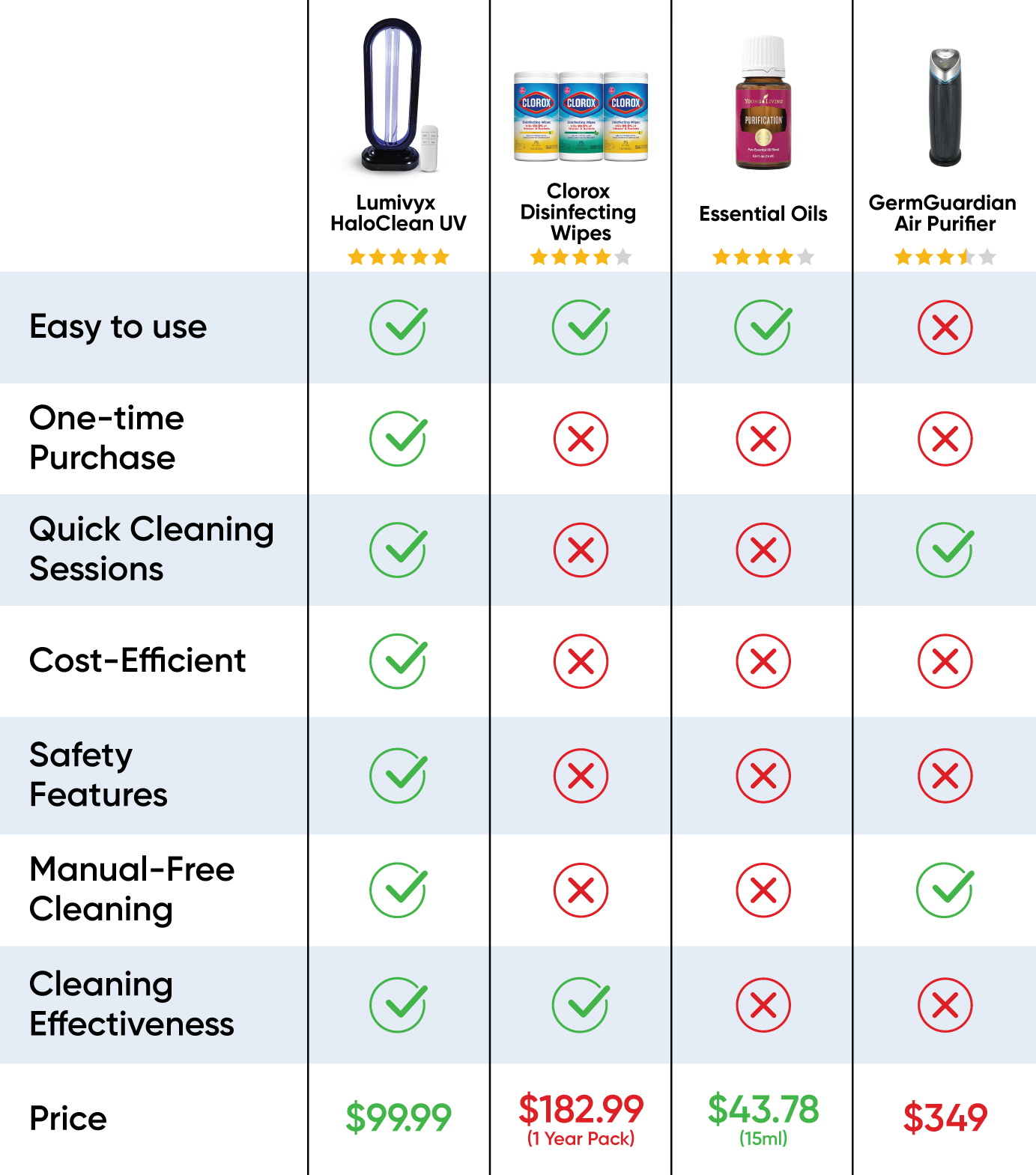
The Lumivyx HaloClean UV Sanitizing Lamp stands out as the pinnacle of disinfection technology, offering unparalleled protection against harmful pathogens. Engineered to sanitize extensive areas up to 200 ft², it employs potent UV-C light to penetrate germ cell walls, obliterating bacteria, viruses, and mold from the inside out, with an efficacy rate of up to 99.99%.
Its operation is simple yet effective: place the Lumivyx HaloClean in your desired room, select the sanitization duration time, and let it commence its cycle once you exit, ensuring a thoroughly and safely disinfected environment upon your return.
This lamp is not only powerful, delivering 60W of UV-C light, but also safe, including features like motion sensors and remote control operation.
The Lumivyx HaloClean UV Lamp is your chemical-free, eco-friendly solution to maintaining a clean, allergen-reduced space, making it the Top Choice for those prioritizing health and hygiene.
Pros
-
 Broad Coverage: Effective in sanitizing a large
area up to 200 ft², ideal for both home and professional settings.
Broad Coverage: Effective in sanitizing a large
area up to 200 ft², ideal for both home and professional settings.
-
Longevity and Power: Features ozone-free, 60W
germicidal bulbs with a lifespan of 9,000 hours, providing a durable and
long-lasting
disinfection solution.
-
High Efficacy: Helps to significantly reduce
pathogens, including a 99.97% reduction in RNA viruses, 98.5% in E. Coli, 99% in black
mold, and 99.97% in Staph. Aureus, across extensive areas.
-
Safety Features: Equipped with detection
sensors to ensure the lamp turns off automatically in the presence of people or pets,
enhancing your personal safety.
-
Versatile Operation: Offers both remote and
manual control, along with four disinfection cycle settings to cater to different
sanitization needs.
-
Compact and Portable: Designed for easy
relocation and use in different rooms.
-
Chemical-Free Cleaning: Provides a healthier
environment by reducing reliance on chemical cleaners, suitable for individuals
sensitive to harsh substances.
-
Educational and Supportive: The product
includes clear instructions for safe use.
-
Customer Satisfaction: Positive reviews
highlight its effectiveness, ease of use, and the peace of mind it provides in
maintaining a sterile environment, underscoring its value in promoting health and
safety.
Cons
-
 Limited Time Settings: Maximum on-time is capped at 60 minutes per
session, which may require multiple cycles for extensive disinfection needs, although
this is often sufficient for most spaces.
Limited Time Settings: Maximum on-time is capped at 60 minutes per
session, which may require multiple cycles for extensive disinfection needs, although
this is often sufficient for most spaces.
-
Limited Color Options: Available only in black, which might not
suit the aesthetic preferences of all users or blend with a variety of interior design
schemes.
-
Only
available in the USA and Canada.
-
Only
available online.
-
Limited inventory.
#2 Clarifion Ionizer
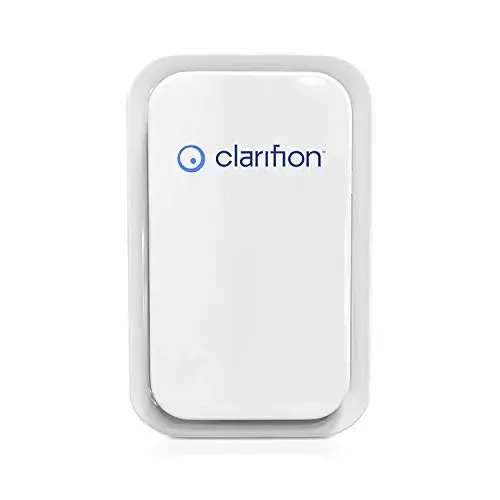
Clarifion Ionizer
Cost: $45.00
Overall Rating: 4.4/5


Clarifion Ionizer is another option that offers a fresh approach to air purification. Instead of relying on UV light, the Clarifion Ionizer harnesses the power of negative ions to neutralize airborne particles and allergens.
However, offering an approach to air purification through negative ions, may not be suitable for all users due to its reliance on ionization, which some may find less effective than UV technology for example. Also, the cleaning power coverage can be considered weak and, same case as our #5, it is engineered exclusively to purify air, lacking in the disinfection feature.
Pros
-
Chemical-free: The Clarifion Ionizer operates
without the need for chemicals or filters, offering a natural and eco-friendly solution
for home sanitization.
-
Continuous operation: With its plug-and-play
design, the Clarifion Ionizer can operate continuously, providing round-the-clock
purification without the need for manual intervention.
-
Quiet operation: Clarifion Ionizer operates
silently, making it ideal for use in bedrooms, offices, and other quiet spaces.
-
Energy-efficient: With its low power
consumption, the Clarifion Ionizer is an energy-efficient choice for environmentally
conscious consumers.
Cons
-
Limited effectiveness against certain pathogens: It may have
limited effectiveness against certain pathogens such as viruses and bacteria.
-
Requires regular maintenance: Although the Clarifion Ionizer does
not require replacement filters, it may require periodic cleaning to maintain optimal
performance.
-
Dependent on airflow: The effectiveness of the Clarifion Ionizer
is dependent on airflow within the room, requiring adequate ventilation to disperse
negative ions effectively.
-
Initial investment: While the Clarifion Ionizer offers long-term
cost savings compared to UV sanitizers, it requires an initial investment upfront, which
may deter some budget-conscious consumers.
-
Not
suitable for all spaces: The Clarifion Ionizer may not be suitable for use in
large or heavily polluted spaces, where more powerful purification methods may be
required.
#3 Clorox Disinfecting Wipes
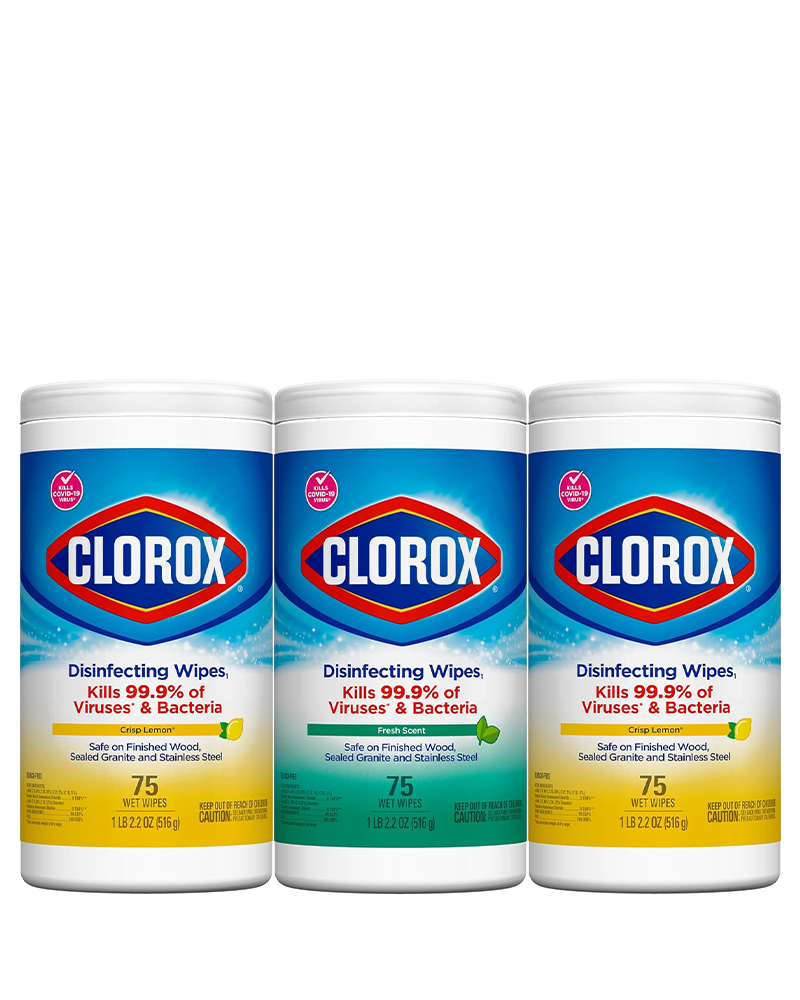
Clorox Disinfecting Wipes
Cost: $182.99 - 1 Year Pack
Overall Rating: 4.3/5
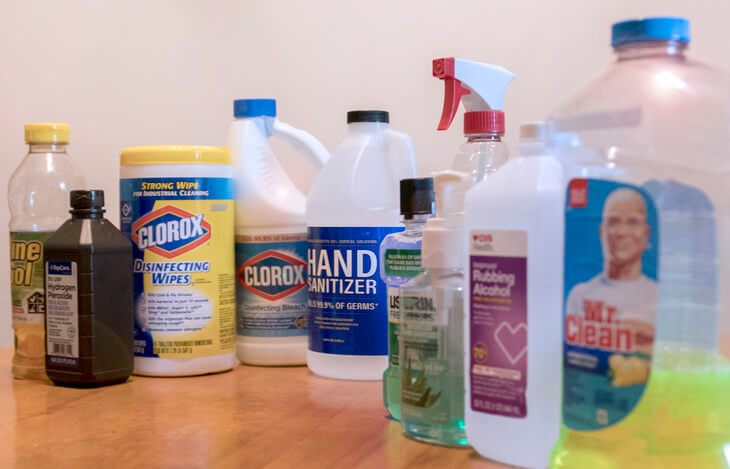
Clorox Disinfecting Wipes are praised for their convenience and effectiveness, a household staple renowned for their efficacy against a wide array of viruses and bacteria, including SARS-CoV-2. Priced at $4.00 for a 35-count pack, these bleach-free wipes claim to kill 99.9% of pathogens, offering a fresh scent while they work.
Despite their effectiveness and ease of use, their environmental impact and the ongoing cost of repurchasing stand as significant drawbacks.
The reality of using them involves a considerable amount of manual labor and time . Each surface must be thoroughly wiped down, requiring the wipes to remain visibly wet for up to 4 minutes to ensure disinfection. This process can be both time-consuming and physically demanding, especially in larger homes or on frequently touched surfaces.
The manual application raises the possibility of missing spots , leaving areas potentially unprotected despite your best efforts.
While Clorox Wipes are a go-to for many, the manual hassle, the risk of incomplete coverage and the waste it generates highlight the need for more efficient and less labor-intensive disinfecting methods.
Pros
-
Fresh Scent: Clorox Disinfecting Wipes leave
behind a fresh scent, offering a superficial sense of cleanliness and freshness
in the
treated areas. While pleasant, the scent does not contribute to the effectiveness of the
disinfection process.
-
Clear-Drying Formula: These wipes have a
clear-drying formula that avoids leaving streaks on shiny surfaces like glass and
mirrors. This aesthetic benefit may enhance the appearance of cleanliness but does not
impact the germ-killing efficacy.
-
Convenience for Small Tasks: For quick, small
cleaning tasks, such as wiping down a smartphone or remote control, Clorox Disinfecting
Wipes can be conveniently grabbed and used. This minor convenience, however, is offset
by the need for more thorough and frequent cleaning methods for comprehensive home
disinfection.
Cons
-
Chemical Exposure: Regular use of these wipes exposes users and
their environments to chemicals. Even though they are marketed as safe, the long-term
effects of frequent exposure to disinfectants on surfaces and air quality within
homes
are not entirely known.
-
Overreliance on Disposables: The convenience of disposable wipes
contributes to an overreliance on single-use products, discouraging the use of more
sustainable cleaning practices that utilize washable and reusable materials.
-
Potential for Antibiotic Resistance: The widespread and routine
use of antibacterial products, including disinfecting wipes, could contribute to the
development of antibiotic-resistant bacteria, posing a significant public health
risk.
-
Economic Cost of Frequent Replacements: In times of continuous
increasing prices, the recurring need to purchase these disposable wipes represents a
continuous expense. Over time, the cost adds up, making it an economically inefficient
choice compared to reusable and more durable disinfecting methods. For many facilities,
that represents expenses of $5,000-15,000 per year!
-
Environmental Concerns: The disposable nature of these
wipes
contributes significantly to environmental waste. Each use adds more plastic and
chemical-laden materials to landfills, raising concerns about long-term
sustainability.
-
Limited Scope of Use: While effective on hard, non-porous
surfaces, Clorox Disinfecting Wipes are not suitable for all materials and surfaces,
such as untreated wood and fabrics, limiting their versatility within the home.
-
False
Sense of Security: The ease of use might lead some consumers to believe they
are fully protected against viruses and bacteria. However, improper use or reliance
solely on wipes for home disinfection can leave unseen gaps in cleanliness and
germ
protection.
-
Irritation Risks: For individuals with sensitive skin or
allergies, the chemicals in disinfecting wipes can cause skin irritation
or other
allergic reactions, necessitating the use of gloves or avoidance altogether.
#4 Essential Oils for Disinfection
Essential Oils for Disinfection
Cost: $43.78 - 15ml - Monthly
Overall Rating: 4.0/5

While essential oils are often celebrated for their natural aromatherapy benefits and potential antimicrobial properties, their efficacy and safety as a primary method for disinfecting homes come into question.
The American Lung Association urges caution , highlighting a lack of substantial scientific evidence supporting broad health claims. A 2022 study even associates prolonged inhalation of essential oils with negative impacts on cardiopulmonary health, including increased heart rate, blood pressure, and diminished lung function.
Moreover, the antimicrobial effects, such as those from tea tree oil, are transient, diminishing within the first hour of evaporation, which undermines their effectiveness for ongoing disinfection. On top of that, essential oils applied wear off in as little as two hours after being applied, so continuous applications will be necessary.
Essential oils can also pose health risks, especially to individuals with respiratory conditions, through irritation of the respiratory tract or potential allergic reactions. Given these considerations, essential oils may not represent the most practical or reliable option for those seeking to maintain a thoroughly sanitized living environment.
Pros
-
Natural Fragrance: Essential oils provide a
pleasant, natural fragrance to living spaces, offering an alternative to synthetic air
fresheners. This aromatherapeutic benefit can enhance the ambiance of a home, although
it does not contribute to its disinfection.
-
Minimal Antimicrobial Properties: Some
essential oils, like tea tree oil, possess transient antimicrobial properties that can
offer minimal disinfection in the immediate aftermath of their application. However,
this effect is short-lived and not sufficient for comprehensive home
sanitization.
-
Variety of Scents: The wide range of available
scents allows for customization of the olfactory experience in the home. Users can
choose from a variety of essential oils to match their personal preferences, though this
variety does not enhance the overall efficacy of disinfection.
Cons
-
Limited Disinfection Capability: Essential oils provide
minimal
antimicrobial effects, with efficacy diminishing shortly after application. This
transient nature makes them ineffective for sustained disinfection, requiring
frequent
reapplication to maintain even minimal germicidal activity.
-
Potential Health Risks: The concentrated nature of essential oils
can emit volatile organic compounds (VOCs), leading to respiratory irritation or
allergic reactions, particularly in individuals with pre-existing conditions like asthma
or COPD. The American Lung Association highlights the risk of adverse
cardiopulmonary
effects, including increased heart rate, blood pressure, and reduced lung
function from
prolonged exposure.
-
Safety
Concerns with Diffusion: Prolonged exposure to high concentrations of essential
oils, especially in poorly ventilated spaces, is associated with negative heart
issues
and lung symptoms. The lack of regulation and variability in composition raise concerns
about quality, concentration, and potential contaminants.
-
Ambiguous Health Claims: The health benefits of essential oils are
not well-supported by scientific evidence, with research suggesting possible
adverse
outcomes. Consumers are advised to exercise caution and seek professional
medical advice
before using essential oils for health-related purposes.
-
Environmental Triggers: Essential oils can act as
irritants,
potentially triggering asthma attacks or exacerbating COPD symptoms. The strong odors
and chemical compositions may lead to bronchoconstriction or other respiratory
distress
in sensitive individuals.
-
Questionable Efficacy in Respiratory Conditions: Despite claims of
anti-inflammatory properties, there is little evidence to support the use of
essential
oils in managing asthma or COPD. In fact, certain oils may mask symptoms of respiratory
distress, delaying necessary medical intervention.
-
Cost
and Practicality: Regular use of essential oils for disinfection can become
costly, with the need for proper dilution and the risk of overuse further
complicating
their practicality as a disinfectant method.
#5 Bissell SteamShot Handheld Steam Cleaner & Sanitizer
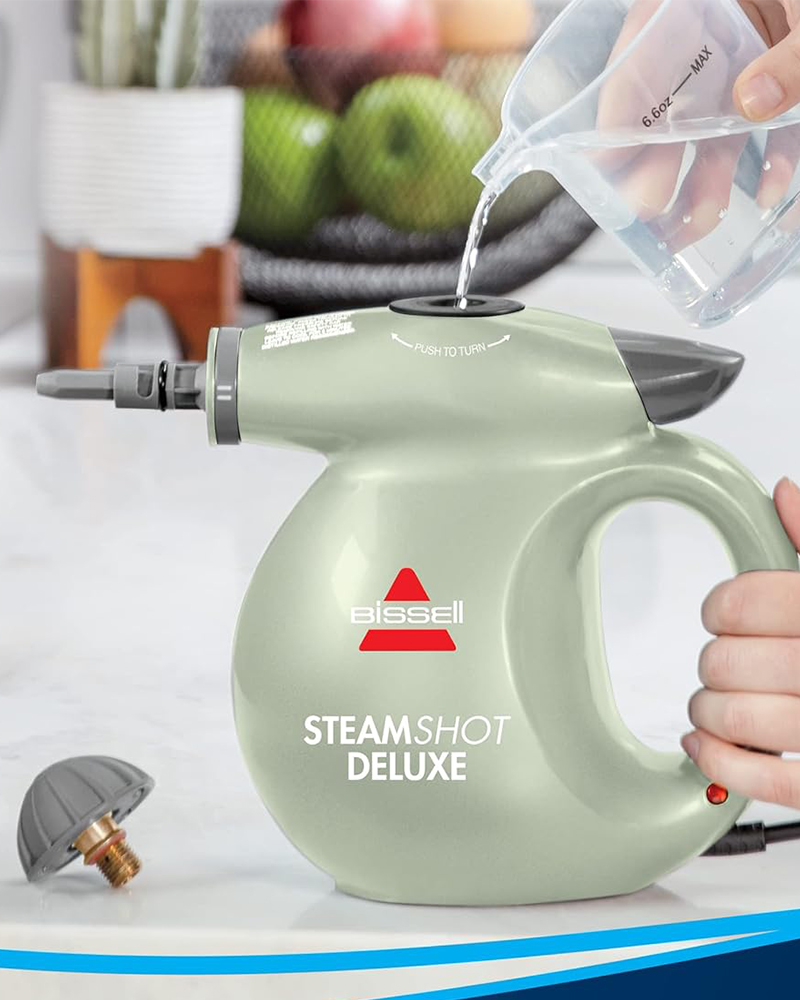
Bissell SteamShot Handheld Steam Cleaner & Sanitizer
Cost: $41.08
Overall Rating 3.8/5
Despite its appeal as a chemical-free cleaning solution, the Bissell SteamShot Steam Cleaner's practical use is marred by significant drawbacks.
Users report missing attachments requiring extra purchases, and a design lacking an on/off switch raises safety concerns. The effort needed to manually clean with it is both exhausting and time-consuming, with the small water tank necessitating frequent refills.
Additionally, its corded nature restricts mobility, making room-to-room cleaning a hassle. These operational frustrations, combined with reports of underwhelming performance and durability issues, may make prospective buyers reconsider.
While supporting the Bissell Pet Foundation with every purchase is commendable, the SteamShot's limitations suggest it might not be the most efficient or user-friendly choice for home cleaning enthusiasts.
Pros
-
Supports a Good Cause: Each purchase of the
Bissell SteamShot Steam Cleaner contributes to the BISSELL Pet Foundation, which is a
positive for animal lovers looking to make a difference while shopping for home cleaning
solutions.
-
Variety of Attachments: The SteamShot is
adapted to work with a variety of cleaning tools, offering versatility for different
surfaces. Although their durability is questioned, the variety of surfaces it can work
with can help you clean around your house.
-
Eco-Friendly Cleaning Option: By using only
water to clean and sanitize surfaces, the SteamShot promotes a chemical-free cleaning
method, appealing to those looking to reduce their environmental impact and use of harsh
chemicals in their home.
Cons
-
Limited Cleaning Effectiveness: Despite being marketed for a
variety of cleaning tasks, the SteamShot struggles with tougher grime and stains,
underperforming compared to traditional cleaning methods and other steam
cleaners.
-
Safety
Concerns: The absence of an on/off switch and the machine's ability to heat up
immediately upon being plugged in, even without water or proper assembly, poses a
risk
of burns or accidents, especially in households with children.
-
Cumbersome for Manual Cleaning: The requirement to constantly
press the steam button for operation can be tiring and impractical for extended cleaning
sessions, leading to discomfort and dissatisfaction.
-
Frequent Refilling Required: The small water tank limits the
duration of continuous use, leading to constant interruptions for refills, making even
small cleaning tasks tediously long.
-
Time-Consuming Refill and Cool-Down Process: The process to refill
the Bissell SteamShot involves a lengthy cool-down period. Users must unplug the
device
and wait for about 5 minutes for it to cool down before attempting
to refill it. This
mandatory waiting period significantly disrupts the cleaning flow, making it
particularly inconvenient for users looking to complete their cleaning tasks
efficiently.
-
Safety
Risks During Depressurization: To safely refill the water tank, users must
depressurize the unit by holding the trigger until steam no longer emits from the
nozzle, a step that requires caution due to the risk of steam burns. It is
recommended
to use an oven mitt during this process, highlighting the potential
hazard involved in
simply refilling the machine, adding an extra layer of complexity and risk to
what
should be a straightforward task.
-
Complex Tank Opening Mechanism: After the SteamShot has been
depressurized and cooled down, opening the tank to refill it presents its own
challenge,
especially for seniors. The safety cap, designed to prevent accidental opening
during
use, requires pressing down and twisting, a maneuver that can be difficult and
necessitates caution.
-
Inadequate Steam Pressure and Duration: Users report the steam
pressure is too weak for effective cleaning, with the steam running out quickly,
necessitating frequent pauses to reheat and refill, significantly slowing down the
cleaning process.
-
Defective and Missing Attachments: Reports of missing or broken
attachments upon purchase add extra costs and inconvenience, diminishing the product's
value right out of the box.
-
Questionable Durability: Customer feedback indicates that the
SteamShot and its accessories may not withstand regular use, with brushes breaking and
the machine itself becoming less effective or failing over a short period.
-
Risk
of Water Leakage: Instances of water seeping out during use due to design flaws
or improper sealing further question the product's reliability and safety.
-
Poor
Customer Service Experience: Feedback on customer service issues, including
difficulty in addressing concerns and securing refunds or replacements, exacerbates the
frustrations of dealing with a potentially defective product.
#6 GermGuardian Air Purifier with HEPA Filter
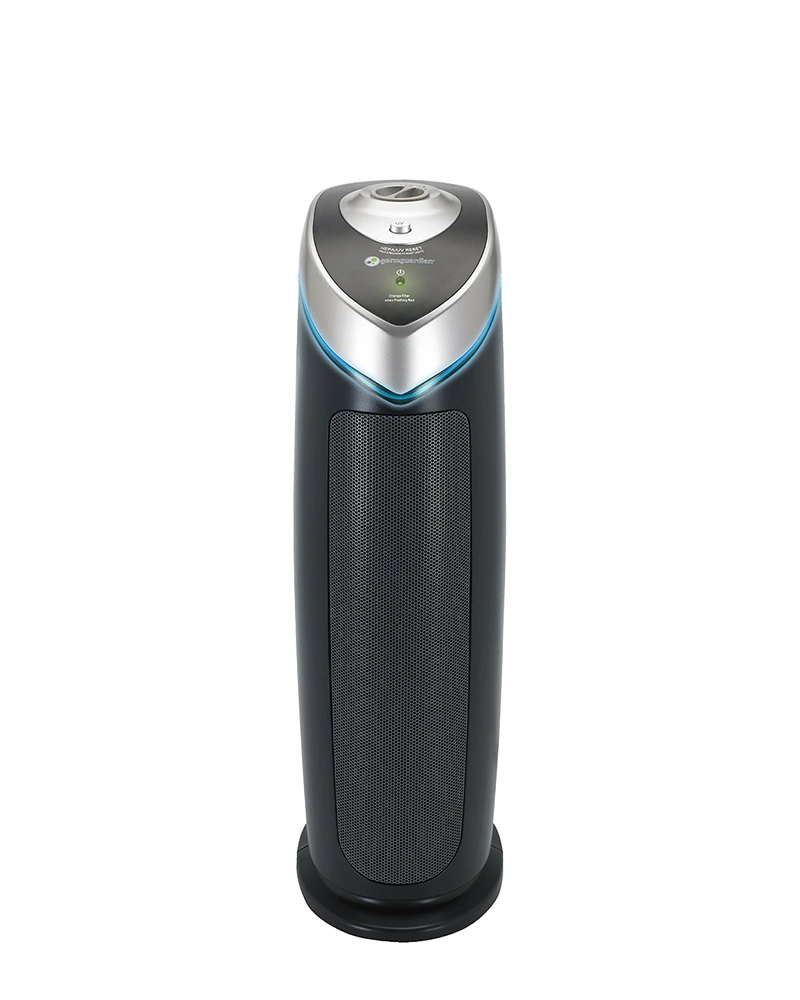
GermGuardian Air Purifier with HEPA Filter
Cost: $134.99
Overall Rating 3.6/5
While the GermGuardian Air Purifier with its HEPA filter might seem like a modern solution to keeping your home's air clean, it falls short as a comprehensive disinfecting method.
Designed solely to purify air, it overlooks the crucial aspect of surface disinfection, leaving a significant gap in your home's cleanliness.
Additionally, the necessity to replace its HEPA filters every 3 months introduces a recurring cost of $26 per filter , summing up to an annual expense of around $100. This ongoing financial commitment essentially turns maintaining clean air into another subscription service, adding to your list of regular household expenses.
Such a continuous outlay, combined with its limitation to only air purification, might prompt homeowners to reconsider its value as an all-encompassing disinfection solution for their living spaces.
Pros
-
Convenient Size for Easy Placement: The
GermGuardian air purifier boasts a convenient size that allows it to fit seamlessly into
corners and tight spaces. This design ensures that it won't take up unnecessary
room,
making it an ideal choice for smaller living areas or any home looking to maintain an
uncluttered aesthetic.
-
Sleek Design Enhances Home Decor: Beyond its
functional benefits, this air purifier features a sleek design that can
complement a
wide range of home decors. Its modern appearance ensures that it doesn't just blend into
the background but adds a touch of sophistication to any room it's placed in.
-
Comes with a Single HEPA Filter: Included with
the air purifier is a single HEPA filter, renowned for its ability to capture 99.97% of
harmful particles as small as 0.3 microns. This high-efficiency particulate air filter
is a standard in air purification, providing initial peace of mind and convenience upon
purchase before the need for replacements arises.
Cons
-
Ineffective Against Surface Germs: This air purifier only
cleans
the air, leaving surfaces untouched and potentially still contaminated.
For a home to be
thoroughly disinfected, cleaning surfaces is essential, a task this product cannot
accomplish.
-
Recurring Costs for HEPA Filter Replacement: The need to replace
the HEPA filter every 3 months introduces an ongoing expense of $26 per filter, adding
up to $100 annually . This essentially turns air purification into a
subscription
service, adding to your household expenses.
-
Potential Safety Hazards: Some units have been reported to emit a
burning plastic smell or even ozone, despite being advertised as ozone-free.
This not
only questions the product's safety but also its reliability and manufacturing
quality.
-
Defective Units and Poor Customer Service: Numerous customers have
reported receiving defective units that either fail to turn on or stop working shortly
after purchase. Attempts to resolve these issues through customer service have often
been frustrating and fruitless.
-
Loud
Operational Noise: Even at lower settings, the unit has been described as
excessively loud, with some units emitting a rattling noise that can be disruptive,
particularly in quiet environments or during sleep.
-
Limited Impact on Air Quality: Despite claims of high performance,
some users report no noticeable improvement in air quality or reduction in dust
levels,
challenging the efficacy of the device in real-world settings.
-
High
Maintenance and Inconvenience: The unit requires not just regular filter changes
but also careful monitoring to ensure it doesn't emit harmful odors or noises, adding
unnecessary stress and maintenance efforts.
-
Complicated Warranty and Returns Process: Engaging with warranty
services or attempting to return the unit can be both costly and complicated, further
diminishing the product's value and appeal.
-
Misleading Experience: The disparity between positive reviews and
the actual experience of numerous customers suggests a risk of receiving a unit that
underperforms or fails, leading to dissatisfaction and potential health risks.
#7 Lysol Sanitizing and Disinfectant Spray
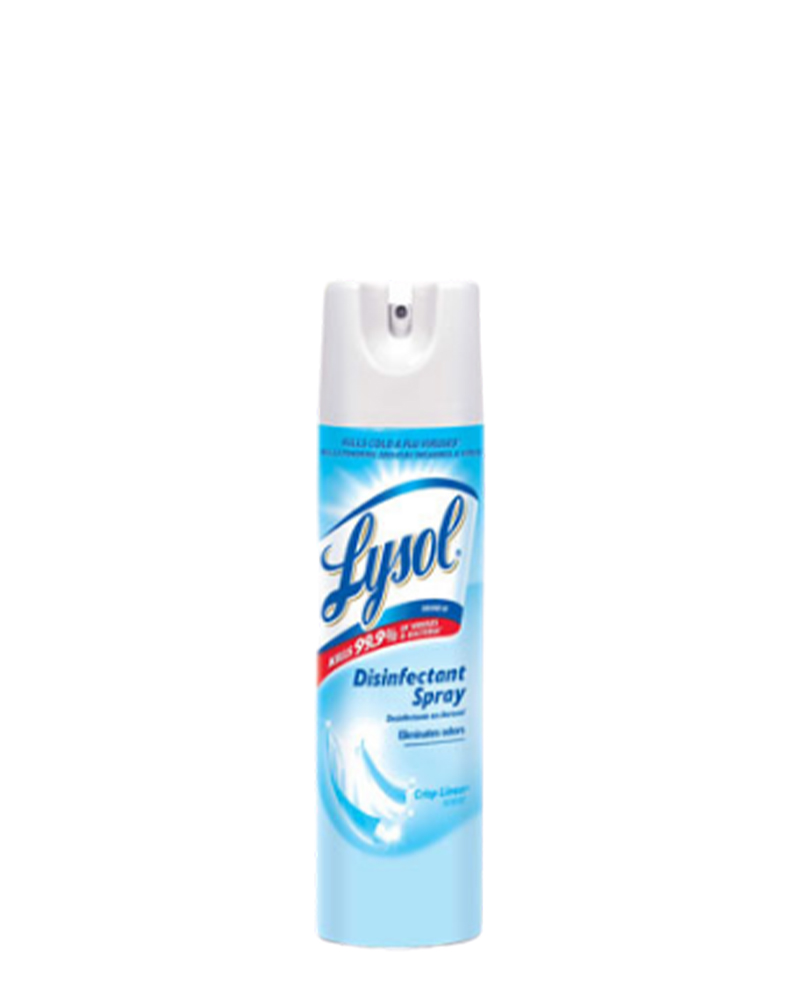
Lysol Sanitizing and Disinfectant Spray
Cost: $21.79 Monthly
Overall Rating 3.4/5
Lysol Sanitizing and Disinfecting Spray, a popular choice for targeting germs on various surfaces, presents several practical drawbacks that may deter its use as an efficient home disinfection method. While effective in killing bacteria and viruses, its application is time-consuming, requiring users to spray and then wipe surfaces meticulously to ensure proper disinfection.
This process not only demands a significant amount of time and effort but also results in the continuous need to purchase more product, leading to ongoing expenses.
Moreover, the reliance on aerosol sprays raises concerns about respiratory irritants, especially in households with children, pets, or individuals with sensitivities.
Given these factors, the convenience and efficacy of Lysol Spray in maintaining a clean and germ-free home environment are overshadowed by its limitations and potential health risks, suggesting that it may not be the most practical or cost-effective disinfecting solution for many consumers.
Pros
-
Lemon Breeze Scent: The Lysol Sanitizing and
Disinfecting Spray comes with a Lemon Breeze scent, offering a fresh and clean aroma
post-cleanup. However, this pleasant fragrance is a minor consideration and does not
enhance the product's effectiveness in disinfection.
-
Cuts Tough Grease: While it's capable of
cutting through tough grease, this feature is more aligned with general cleaning needs
rather than the core requirement of disinfecting surfaces from harmful bacteria and
viruses, making it a supplementary benefit.
-
Deodorizes Surfaces: In addition to its
disinfecting properties, the spray can deodorize surfaces, leaving behind a fresher
environment. Nonetheless, the primary concern in disinfection is eliminating germs, with
deodorization being a secondary, less critical advantage.
Cons
-
Time-Consuming Application: Proper use of the spray requires not
just application but also waiting and wiping down surfaces, a process that is
labor-intensive and inefficient for those seeking quick and effective
disinfection
solutions.
-
Continuous Repurchasing: The nature of this product demands
regular purchases to maintain a stock for frequent use, leading to an ongoing
financial
commitment and contributing to consumer product fatigue.
-
Manual
Labor Intensive: Effective disinfection with this spray involves significant
manual effort to ensure all surfaces are thoroughly covered and cleaned, which
can be
physically demanding and impractical for larger areas or for those with
mobility
issues.
-
Environmental Concerns: Each can of Lysol contributes to
plastic
waste, a concern for environmentally conscious consumers looking to reduce their
ecological footprint. The aerosol nature of the product also raises questions about its
impact on indoor air quality.
-
Limited Efficacy on All Surfaces: While advertised as ideal for
surfaces throughout the house, its effectiveness can vary based on the material, with
some surfaces requiring alternative disinfection methods to avoid damage or insufficient
sanitizing.
-
Potential Health Risks: Regular use of aerosol disinfectants can
expose household members to chemical irritants, posing risks especially to
individuals
with respiratory conditions, allergies, or sensitivities.
-
Not
Cost-Efficient: The need for frequent reapplication, coupled with the cost of
replacing cans, makes Lysol Spray a less cost-effective option compared to other
disinfecting methods that offer longer-lasting protection or are reusable.
-
Questionable Sustainability: The disposable nature of the
product,
coupled with its chemical composition, poses sustainability concerns, driving the
need
for more eco-friendly and sustainable disinfecting solutions.
#8 Verilux CleanWave Portable Sanitizing Wand
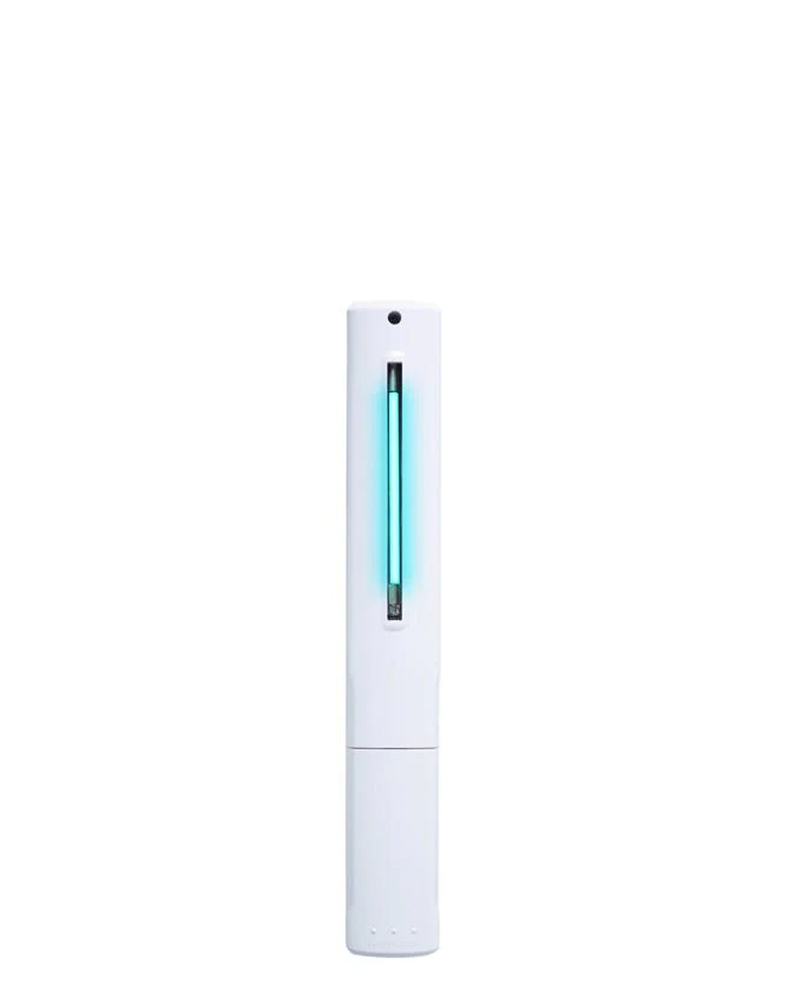
Verilux Creams
Cost: $59.99
Overall Rating 2.8/5
The Verilux CleanWave Portable Sanitizing Wand promises to offer a modern twist to home disinfection, leveraging sanitizing light to eliminate germs on various surfaces. While the concept of a portable sanitizing wand might appeal to those seeking a quick fix for surface germs, its effectiveness and practicality fall short when considering the broader spectrum of household cleanliness.
In light of the FDA's recent safety communication regarding the potential risks of using sanitizing wands, it's crucial for consumers to exercise caution. The FDA warns that certain sanitizing wands can emit unsafe levels of radiation, posing a risk of injury to skin and eyes within seconds of exposure.
This concern highlights the importance of choosing disinfection methods that prioritize user safety. While the Verilux CleanWave Portable Sanitizing Wand aims to offer convenience in disinfecting surfaces, the potential for harmful radiation exposure cannot be overlooked.
For those seeking a safer, more reliable alternative, the Lumivyx HaloClean presents a prudent choice. Designed for use in closed areas, it incorporates a motion sensor detector to ensure that it operates safely, away from human presence, thereby mitigating the risks associated with direct UV-C exposure. This makes Lumivyx HaloClean not only an effective but also a safer option for your disinfecting needs.
Pros
-
Portable Design: The Verilux CleanWave
Sanitizing Wand's portable design allows for easy transport from room to room, catering
to on-the-go disinfection needs. However, this mobility does not offset the concerns
raised by the FDA regarding unsafe radiation levels.
-
Quick Disinfection Claims: Advertised to
disinfect surfaces in seconds, the wand appeals to those with busy schedules. Yet, the
FDA cautions that such rapid disinfection might indicate the emission of dangerously
high levels of UV-C radiation, making this feature a potential health risk
rather than a
benefit.
-
Ease of Use: The straightforward operation of
the Verilux CleanWave Sanitizing Wand, with simple on/off functionality, is designed for
user convenience.
Cons of
-
FDA
Warning on Unsafe Radiation Levels: The FDA has issued a safety communication
warning consumers about the risks of injury from certain UV-C wands due to unsafe levels
of radiation. This exposes users and nearby individuals to potential harm, including
skin and eye injuries within just seconds of exposure.
-
Lack
of Safety Features: Unlike more sophisticated UV-C disinfection devices like the
Lumivyx HaloClean Lamp, which includes motion sensors and operates safely away from
human presence, the wand lacks advanced safety mechanisms to protect users from
accidental exposure to harmful UV-C light.
-
Inadequate for Whole-House Disinfection: The wand's small size,
while portable, makes it impractical for comprehensive home disinfection. Thoroughly
sanitizing an entire house would require an unreasonable amount of time and effort, as
each surface needs direct and prolonged exposure.
-
High
Operational Costs: The need for frequent battery replacements adds
ongoing costs
and inconvenience, especially given the extensive usage required to make even a minor
impact on household disinfection.
-
Limited to Surface Disinfection: This device is designed for
sanitizing small surfaces and objects, significantly limiting its effectiveness in a
typical home environment where air quality and larger surface areas also require
attention.
-
Risk
of Improper Use: The potential for unsafe UV-C exposure due to incorrect
handling or accidental exposure during operation poses a significant health risk,
undermining the device's intended safety benefits.
-
False
Sense of Security: Relying on a UV-C wand for disinfection may lead users to
underestimate the importance of comprehensive cleaning practices, including the use of
safe and effective chemical disinfectants that cover a broader spectrum of
pathogens.